

Most of the worry on your phone was pushed at you, not chosen by you. Here’s how strategic apathy helps you spot who profits from your attention and point your care at what’s actually yours.
The clutter isn’t a verdict on who you are. It’s a stack of decisions made with what you had at the time. Here’s how to stop apologizing for the “before” and start acting in the “now.”
Storing an unused item just makes it a rent-free tenant in your home, and you pay the interest for the mental clutter and physical space.
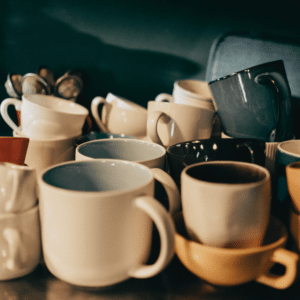
Fourteen mugs in the cupboard, two in daily use. Seneca saw it 2,000 years ago: we use things not because we need them, but because we have them. One honest question tells the difference.
You cleared the room. So why does it feel so strange to walk in there now? When the stuff leaves, the jobs it was quietly doing for you leave too. What’s left is you, in a quiet room, with a question.

You’ve never actually seen your home. You’ve seen your map of it. Why every one of us lives by a private map of reality, how that map quietly goes out of date, and three phrases that tell you when yours needs an update.
You’ve cleared the counters and the closets. But the TV is still on for nobody, and the phone still buzzes through dinner. A one-day noise audit, and a simple way to give silence its own space at home.
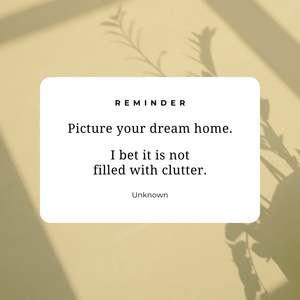

We spend our weekends clearing out forty years of stuff, then fill our kids’ homes with more of it every December. One phone call and three simple gifts can make you the grandparent whose presents are always wanted.
Why the new house feels strange, and a three-phase, 90-day plan to help your brain turn it into home: map it, make it yours, belong to it.